The allure of gambling: Understanding the emotional drivers
The psychology of casino gambling is deeply rooted in emotional drivers that entice individuals to engage in gaming activities. The thrill of winning, the allure of risk, and the potential for substantial monetary rewards create a unique rush that can be hard to resist. This emotional high often leads players to develop strategies that they believe can enhance their chances of winning, so exploring the best crypto casinos can also reveal effective methods for achieving better outcomes. Understanding these emotional triggers is essential for both gamblers and casinos, as it helps them navigate the complex world of gaming.

Furthermore, factors such as peer influence and social interactions within casinos significantly impact gambling behavior. Many people enjoy the communal experience of playing with friends or other players, which can enhance the enjoyment and risks involved. This social aspect can lead to learned behaviors and strategies that players adopt based on their observations and interactions, contributing to the overall gambling experience.
The role of cognitive biases in gambling strategies
Cognitive biases play a critical role in how gamblers formulate their strategies and make decisions. One prevalent bias is the illusion of control, where players believe they can influence the outcome of random games through skill, strategies, or rituals. This belief often leads to the creation of personal strategies, be it a particular way of placing bets or a superstitious practice before gameplay. Understanding these biases is crucial, as they can lead to inconsistent decision-making and ultimately impact a player’s success. For individuals deeply interested in gambling, gaining insights into these biases can be particularly enlightening.
Another common bias is the gambler’s fallacy, where individuals mistakenly believe that past outcomes affect future results in games of chance. For instance, if a roulette wheel has landed on red several times in a row, a player might assume that black is «due» to come up next. Such misconceptions can shape gambling strategies, leading players to make choices that are not grounded in probability, thus affecting their long-term success at the tables.
Risk assessment and decision-making in gambling
Risk assessment is an integral aspect of gambling strategy formulation. Players constantly weigh the potential rewards against the risks involved in their betting choices. Understanding their own risk tolerance levels influences how they approach different games and betting options. For some, a more conservative strategy may be appealing, focusing on lower-risk bets or longer playtime, whereas others may thrive on high-risk, high-reward gambles. By considering their options carefully, players can devise strategies that align more closely with their financial goals and personal preferences.
Moreover, the decision-making process in gambling is often influenced by emotional states and situational factors. High-stakes environments can amplify stress and excitement, leading to impulsive decisions that may not align with a player’s typical strategy. Recognizing these situational influences can help gamblers develop more coherent strategies and enhance their overall gaming experience.
The impact of marketing and environment on gambling behavior
The environment within a casino, including layout, sounds, and lighting, is meticulously designed to promote prolonged gambling behavior. The use of bright lights and engaging sounds can create an exhilarating atmosphere that encourages players to stay longer and wager more. This immersive environment can heavily influence players’ decision-making and strategies, often leading them to abandon their self-imposed limits. Understanding these environmental triggers can significantly inform a player’s strategic approach to gambling.
Additionally, marketing strategies employed by casinos can also shape gamblers’ perceptions and expectations. Promotions, bonuses, and loyalty programs are designed to attract and retain players, often reinforcing specific gambling strategies. Players may adapt their approaches based on these incentives, which can further complicate the psychological landscape of gambling.
Conclusion: The intersection of psychology and strategy in the world of gambling
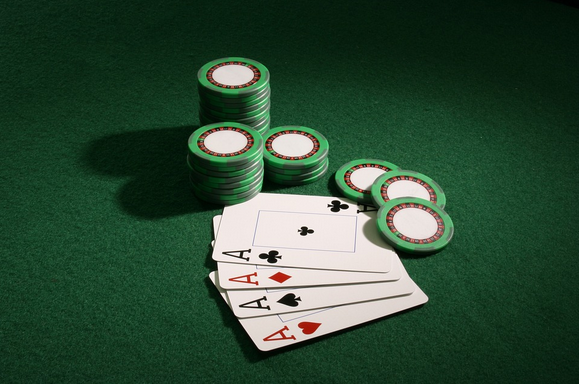
The intersection of psychology and gambling strategy is a complex and multifaceted domain that offers valuable insights into why people gamble and how they formulate their strategies. By understanding the emotional drivers, cognitive biases, and decision-making processes, both players and operators can better navigate this fascinating world. The psychological underpinnings of gambling are not merely a backdrop but a crucial element of the gaming experience, shaping everything from personal strategies to casino designs.
For those looking to delve deeper into the psychology of gambling, this website serves as an informative resource. With insightful articles and resources tailored to the needs of both enthusiasts and casual players, it aims to provide a better understanding of gambling behaviors, strategies, and the psychological elements at play.